Get In Touch
Let's Create
Something
Ready to level up your drumming, book a live performance, or discuss a studio project? Drop a message.
LocationWorldwide
Ready to level up your drumming, book a live performance, or discuss a studio project? Drop a message.
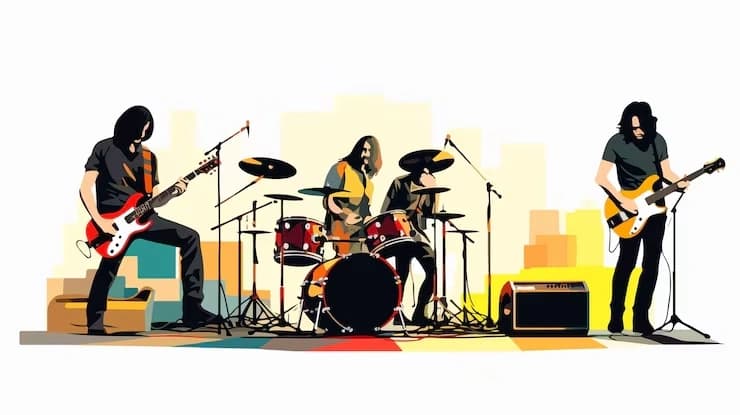
While solo practice builds technique, jamming with other musicians is where you truly become a musician. Stepping out from behind the practice pad and into a room with a bassist, guitarist, or full ensemble transforms drumming from a physical exercise into a dynamic, social conversation.
Playing solo or even to a click track is reactive, but in a group, you provide the pacing and feel internally. Jamming forces you to develop a rock-solid sense of time because your bandmates rely on you to drive the rhythm. It teaches you to hold a steady tempo even as the energy and volume of the room fluctuate.
Listening is arguably the most critical skill for any drummer. When you jam, you learn to:
Many drummers find they improve more in two months of playing with a band than in two years of solo practice. Jamming exposes you to different styles and forced creativity. You'll learn to recover quickly from mistakes—an essential skill for live performance—and avoid "drum noodling" by playing only what serves the song.
Jam sessions are the ultimate networking tool. They are a great way to meet other musicians, find potential bandmates, and get noticed for future gigs. Beyond the professional benefits, it fosters a sense of belonging and makes the process of learning drums far more enjoyable.
How to Start Jamming
In a jam environment, your attitude often matters more than your technical ability. Be the drummer who listens, makes eye contact, and plays for the song rather than for themselves. If you focus on making the other musicians sound better, you'll be the first person they call for the next session.